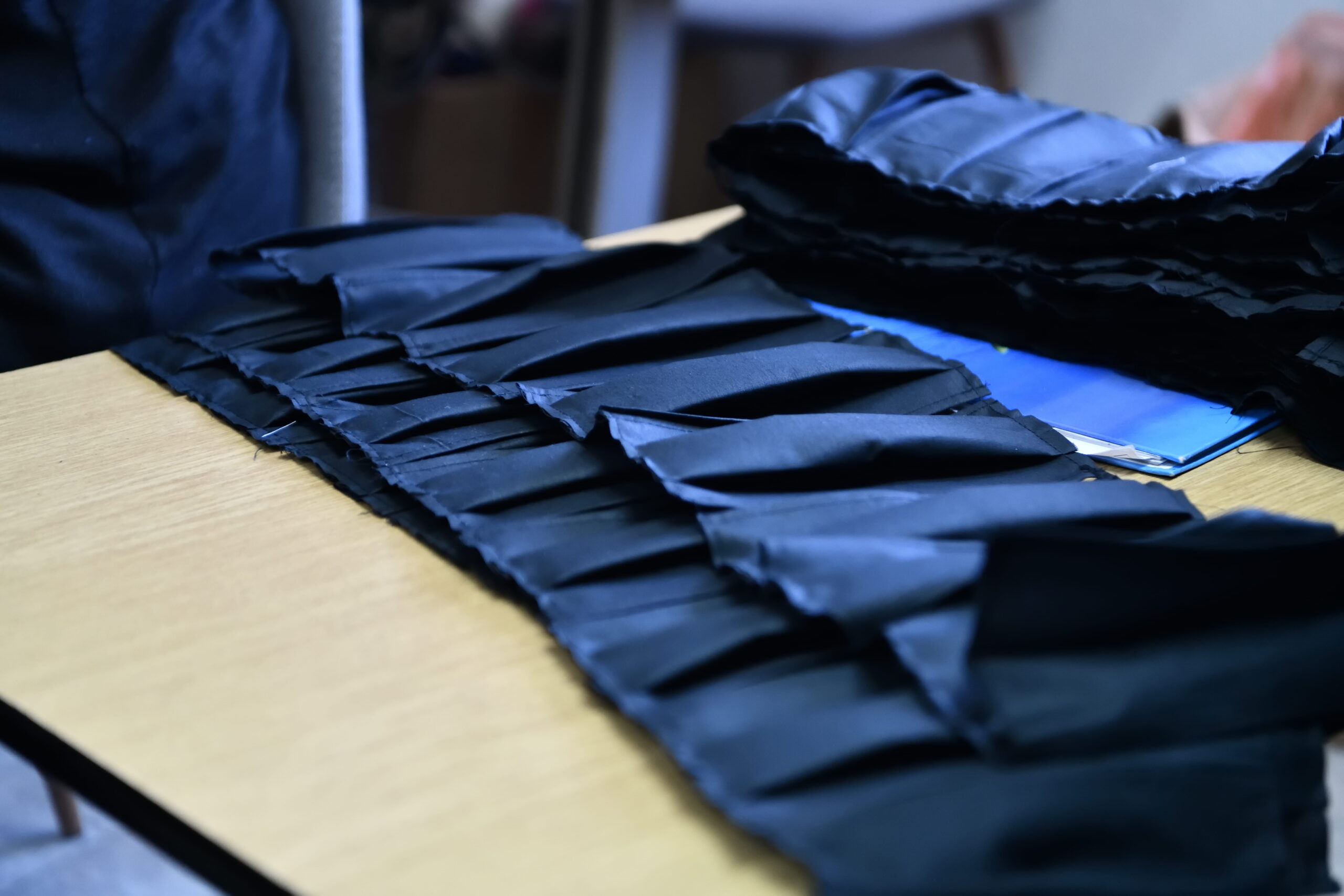

Work uniforms are an investment in your business, representing your brand while providing employees with comfort and functionality. However, even the highest-quality uniforms require proper care to maintain their appearance and durability. Without the right maintenance practices, uniforms can fade, shrink, lose their shape, or wear out much sooner than expected. By following simple care routines and educating employees on proper handling, businesses can extend the lifespan of their uniforms, reduce replacement costs, and ensure staff always maintain a professional appearance.
Why Proper Uniform Care Matters
Uniforms are worn daily and exposed to dirt, sweat, stains, and frequent washing. Proper maintenance helps preserve fabric quality, color, and stitching while keeping uniforms looking clean and presentable.
Well-maintained uniforms also reflect positively on your business. Employees wearing clean and professional workwear create a stronger impression on customers and reinforce your company’s commitment to quality and professionalism.
Washing Different Fabric Types
Different fabrics require different washing methods to maintain their quality. Cotton uniforms should generally be washed in cool or warm water to prevent shrinking, while polyester garments can withstand more frequent washing without losing their shape.
Always follow the care instructions provided by the manufacturer. Using the correct washing temperature and detergent helps protect fabric fibers, prevents fading, and extends the life of embroidered logos and printed designs.
Removing Tough Workplace Stains
Employees working in restaurants, healthcare facilities, workshops, or industrial environments often encounter stubborn stains. Treating stains as soon as possible prevents them from setting into the fabric.
Use stain removers that are suitable for the specific fabric type, and avoid harsh chemicals that may weaken fibers or damage colors. Gently treating stains before washing can help restore uniforms without affecting their appearance.
Drying Uniforms Correctly
The drying process plays an important role in maintaining fabric quality. Excessive heat from dryers can shrink certain materials, damage elastic fibers, and cause colors to fade more quickly.
Whenever possible, air drying uniforms or using low-heat dryer settings helps preserve their original fit and extends their lifespan. Proper drying also protects embroidered logos, printed graphics, and decorative finishes from unnecessary wear.
Proper Storage Techniques
Correct storage keeps uniforms clean, wrinkle-free, and ready to wear. Hanging shirts, jackets, and blazers helps maintain their shape, while neatly folded garments should be stored in dry, well-ventilated spaces.
Avoid storing uniforms in damp environments, as moisture can lead to unpleasant odors, mildew, or fabric damage. Keeping uniforms organized also makes it easier for employees to access clean garments each day.
Repair vs. Replacement
Small issues such as loose buttons, minor tears, or damaged seams can often be repaired quickly, allowing uniforms to remain in service for much longer. Regular inspections help identify these problems before they become more serious.
However, uniforms that have extensive damage, severe fading, or significant wear should be replaced to maintain a professional company image. Knowing when to repair and when to replace uniforms helps businesses manage costs effectively.
Creating a Uniform Maintenance Policy
Establishing a clear uniform care policy ensures employees understand their responsibilities. Businesses can provide simple guidelines covering washing instructions, stain treatment, storage, and reporting damaged garments.
A standardized policy promotes consistency across the workforce while helping maintain the quality and appearance of company uniforms. It also reduces unnecessary replacements caused by improper handling or care.
Tips for Employees
Employees play a key role in maintaining the condition of their uniforms. Encourage them to wash uniforms according to care labels, avoid using excessive bleach, remove stains promptly, and store garments properly after each shift.
Providing multiple uniform sets also reduces daily wear on individual garments, allowing each uniform to last longer. Simple habits can significantly improve the lifespan and appearance of workwear while ensuring employees always look professional.
Conclusion
Proper care and maintenance are essential for extending the life of work uniforms and protecting your business investment. From using the correct washing methods and treating stains quickly to storing garments properly and repairing minor damage, every step contributes to maintaining a professional appearance. A well-planned uniform maintenance routine not only reduces replacement costs but also ensures employees consistently represent your brand with clean, durable, and high-quality workwear. By making uniform care a priority, businesses can maximize value while maintaining a polished and professional image.