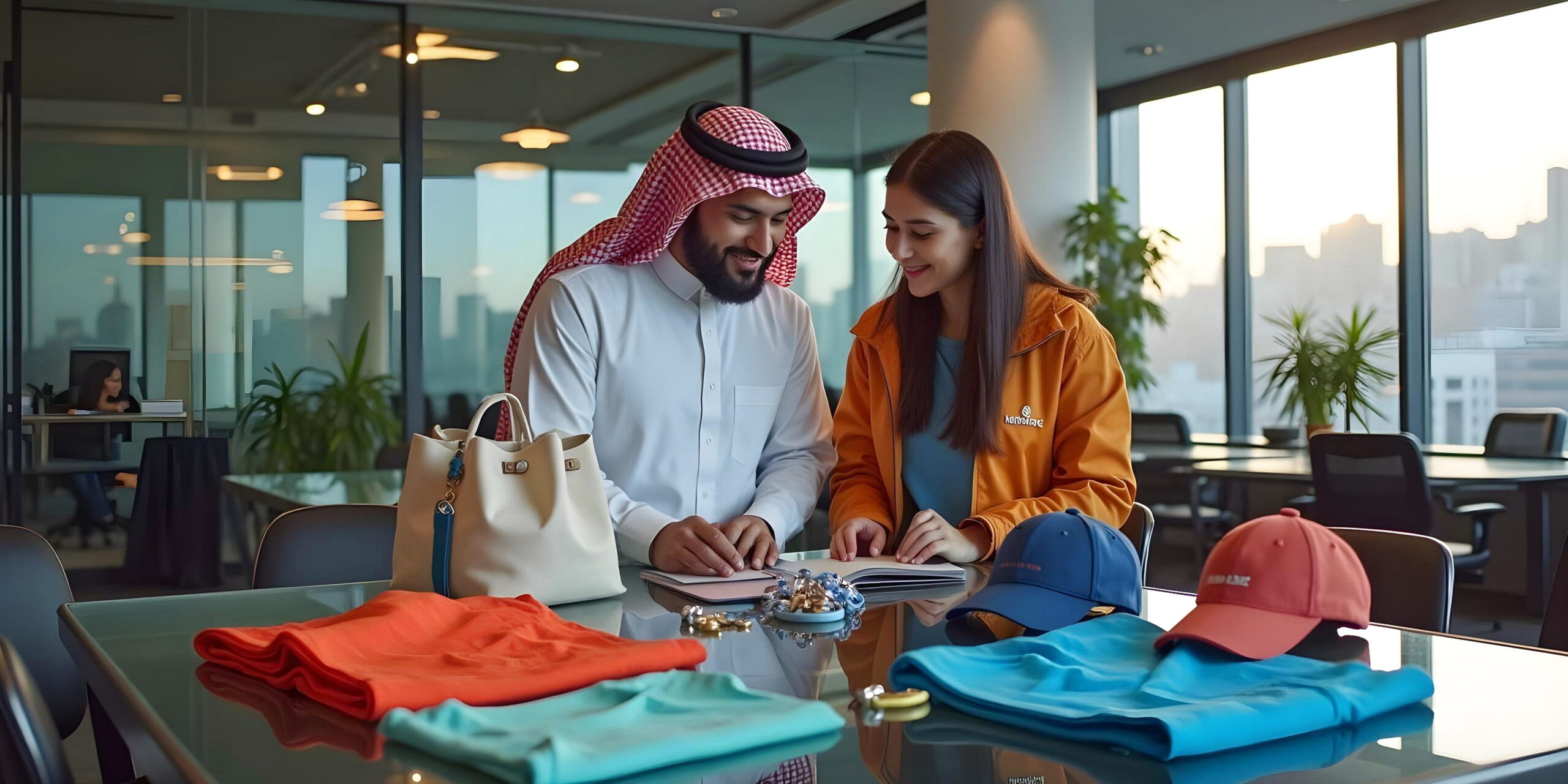
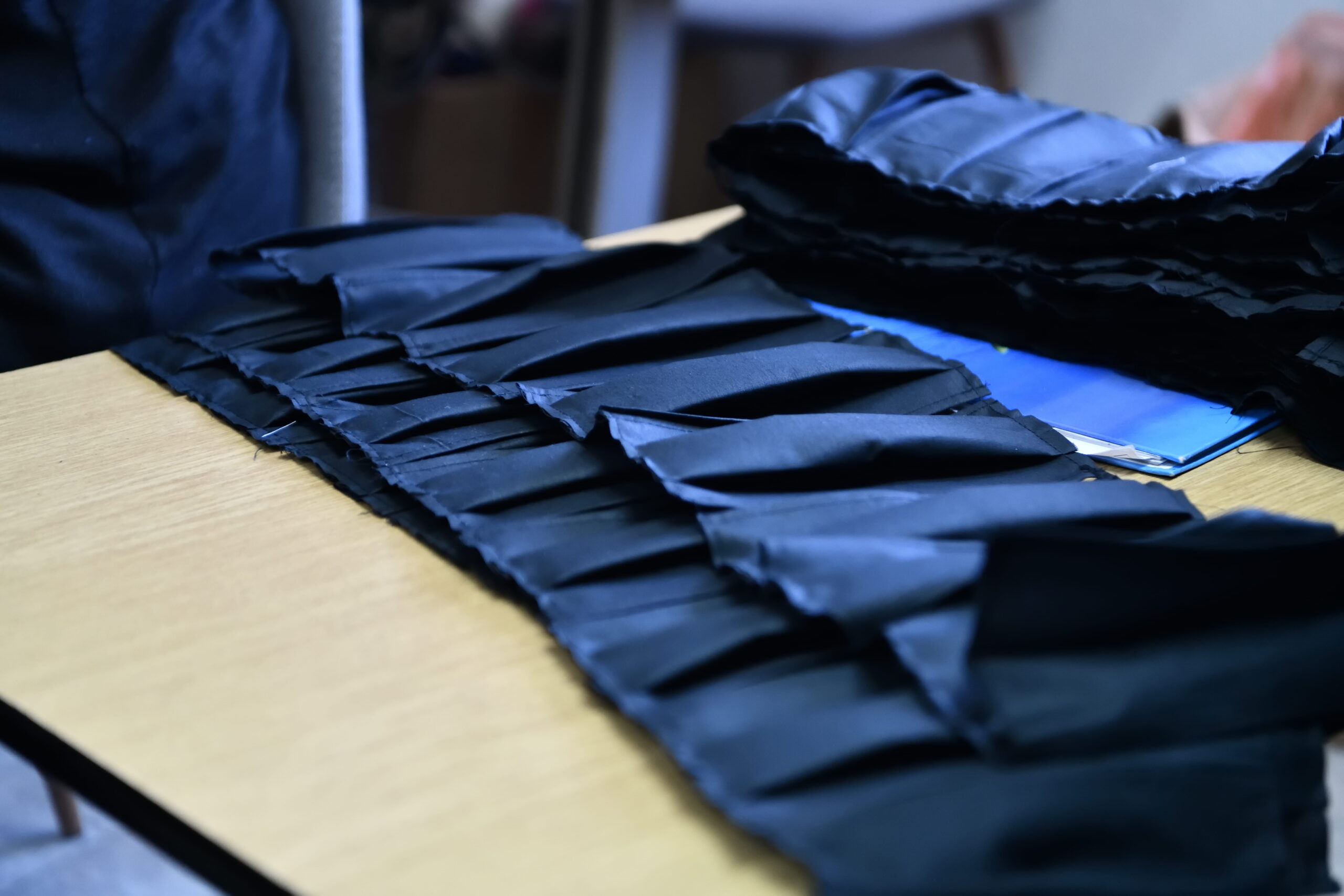
The fabric used in a work uniform has a direct impact on employee comfort, safety, appearance, and productivity. Whether employees work in an office, warehouse, factory, healthcare facility, or hospitality environment, choosing the right material ensures uniforms remain comfortable and durable throughout the workday. Different industries have different requirements, making fabric selection an essential part of the uniform design process. Understanding the benefits of various materials helps businesses invest in uniforms that support both their workforce and their brand image.
Why Fabric Selection Is Important
A well-designed uniform begins with the right fabric. Employees often wear uniforms for long hours, making comfort and durability essential. The wrong material can cause discomfort, restrict movement, or wear out quickly after repeated washing.
Choosing fabrics that match the working environment helps employees perform their duties more efficiently while maintaining a professional appearance. Quality materials also reduce replacement costs by lasting longer and retaining their shape and color over time.
Cotton Uniform Fabrics
Cotton remains one of the most popular choices for work uniforms because of its softness and breathability. It allows air to circulate freely, making it ideal for employees who work indoors or in warm climates like the UAE.
Cotton fabrics absorb moisture effectively, helping workers stay comfortable throughout the day. They are commonly used for corporate shirts, hospitality uniforms, healthcare clothing, and retail staff apparel. While cotton offers excellent comfort, it may wrinkle more easily than synthetic materials.
Polyester Uniform Fabrics
Polyester is known for its strength, durability, and low maintenance. Unlike natural fibers, polyester resists shrinking, stretching, and fading even after frequent washing.
This fabric is commonly used for industrial uniforms, security uniforms, housekeeping apparel, and logistics workwear because it can withstand demanding working conditions. Polyester also dries quickly, making it practical for businesses that require frequent laundering.
Cotton-Polyester Blends
Cotton-polyester blends combine the comfort of cotton with the durability of polyester, making them one of the most versatile fabric choices for work uniforms.
These blended fabrics offer improved wrinkle resistance, reduced shrinkage, and longer-lasting performance while remaining comfortable for everyday wear. They are widely used for corporate offices, educational institutions, customer service teams, and hospitality staff who require both style and functionality.
Stretch Fabrics for Better Comfort
Employees who move frequently throughout the day benefit from uniforms made with stretch fabrics. Materials containing elastane or spandex provide greater flexibility without compromising durability.
Stretch fabrics improve mobility, making them suitable for healthcare professionals, restaurant staff, retail employees, and customer-facing teams who spend long hours standing, walking, or bending. Improved flexibility also helps uniforms maintain a better fit during daily activities.
Flame-Resistant Fabrics for Industrial Workers
Industrial workplaces often require specialized protective clothing to ensure employee safety. Flame-resistant fabrics are designed to reduce the risk of injury by resisting ignition and limiting the spread of flames.
These materials are commonly used in manufacturing plants, oil and gas facilities, construction sites, electrical industries, and heavy engineering environments. Choosing certified protective fabrics helps businesses comply with workplace safety standards while protecting their employees.
Moisture-Wicking Fabrics
Employees working in hot environments or physically demanding roles can benefit from moisture-wicking fabrics. These advanced materials pull sweat away from the skin and allow it to evaporate quickly, helping employees stay cool and dry.
Moisture-wicking uniforms are particularly useful for logistics teams, outdoor workers, warehouse staff, security personnel, and hospitality employees who remain active throughout their shifts. Increased comfort can also improve productivity and reduce fatigue.
How Climate Affects Fabric Choice in the UAE
The UAE’s hot climate makes fabric selection especially important. Lightweight, breathable, and moisture-managing materials help employees remain comfortable even during extended working hours.
Businesses should consider fabrics that offer ventilation, quick drying, UV protection, and resistance to frequent washing. Selecting climate-appropriate materials not only improves employee comfort but also extends the lifespan of the uniforms under challenging weather conditions.
Conclusion
Selecting the right fabric is one of the most important decisions when designing corporate and industrial uniforms. Different materials provide unique benefits depending on the work environment, level of physical activity, and industry requirements. From breathable cotton and durable polyester to stretch and flame-resistant fabrics, each option contributes to employee comfort, safety, and professional appearance. By partnering with an experienced uniform manufacturer and choosing high-quality materials, businesses can provide uniforms that enhance performance, reinforce their brand identity, and deliver long-term value.